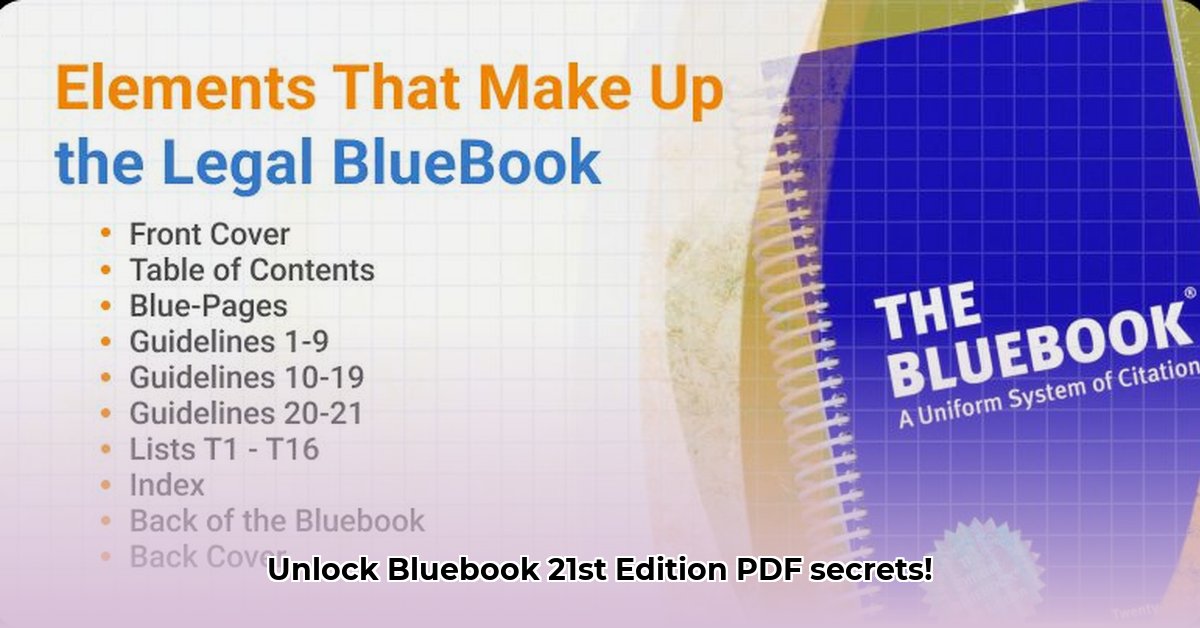
Legal citation can be daunting, but choosing the right style guide is the first step towards clear and accurate legal writing. While you might be searching for a “Bluebook 21st Edition PDF download,” obtaining copyrighted material illegally is both unethical and potentially illegal. For authorized access to the Bluebook, see this helpful resource. This article focuses on helping you understand the differences between the two leading citation guides—the Bluebook: A Uniform System of Citation and the ALWD Citation Manual—so you can make an informed decision about which best suits your needs.
The Bluebook and ALWD: A Comparative Analysis
Both the Bluebook and the ALWD Citation Manual aim to ensure consistent and accurate citation in legal writing. However, they differ significantly in approach, complexity, and target audience. The Bluebook, particularly its 21st edition, is a widely recognized and comprehensive guide, known for its intricate rules covering a vast array of source types. Its dual system—separate rules for academic ("Whitepages") and professional ("Bluepages") writing—can present a steeper learning curve.
Conversely, the ALWD Citation Manual offers a more streamlined, user-friendly approach, employing a single, unified style for all uses. This simplicity makes it a popular choice for those new to legal writing or those seeking efficiency in their citation practices.
Key Differences: Bluebook vs. ALWD
Here's a table summarizing the core differences between the two guides:
| Feature | Bluebook 21st Edition | ALWD Citation Manual |
|---|---|---|
| Style | Separate styles for academic and professional use | Single, unified style for all uses |
| Complexity | Highly detailed and extensive rules | Simpler, more concise rules, easier to learn |
| Target Audience | Primarily academics & experienced legal professionals | Beginners, practitioners, and students |
| Ease of Use | Steeper learning curve, especially for beginners | Generally easier to use |
| Statute Citation | More detailed and complex | More concise and straightforward |
Choosing the Right Guide: Context is Key
The optimal citation guide depends heavily on your context and experience level.
Academics: The Bluebook's "Whitepages" style is often the standard for law review articles and scholarly publications. Always check the specific requirements of your institution or publication.
Legal Professionals: Both the Bluebook's "Bluepages" and ALWD are viable options in legal practice. The choice often depends on firm or court preferences. ALWD's efficiency can be advantageous for practitioners.
Students: Beginning law students might find ALWD easier to learn initially. Mastering the Bluebook, however, is essential for long-term success in the legal field.
Practical Tips and Examples
Regardless of your chosen style guide, these tips enhance efficiency and accuracy:
- Accuracy First: Double-check every detail; even minor errors can undermine credibility.
- Consistency: Maintain consistent application of your chosen style throughout the document.
- Use Citation Management Software: Tools like Westlaw or other citation management software significantly improve efficiency and reduce errors.
Example: Case Citation
Let’s compare citing a case:
- Bluebook (Example): Smith v. Jones, 123 U.S. 456, 458 (1999). Note the precise formatting and inclusion of the pinpoint citation.
- ALWD (Example): Smith v. Jones, 123 U.S. 456 (1999). This illustrates ALWD's more concise approach; pinpoint citations are often optional.
Ethical Access to Citation Manuals
Remember: acquiring the Bluebook or ALWD through illegal means is both unethical and potentially illegal. Acquire these guides through official channels such as your law school library, direct purchase from the publishers, or via reputable legal resource providers. This ensures you are using the accurate, updated versions, and it supports the work of those who develop these essential resources.
Conclusion: Mastering Legal Citation
Choosing between the Bluebook and ALWD depends on your individual needs and the context of your legal writing. Both strive for accuracy and consistency, but their approaches differ meaningfully. Understanding these differences, employing best practices, and accessing the manuals ethically are crucial for success in legal scholarship and practice.
⭐⭐⭐⭐☆ (4.8)
Download via Link 1
Download via Link 2
Last updated: Sunday, April 27, 2025